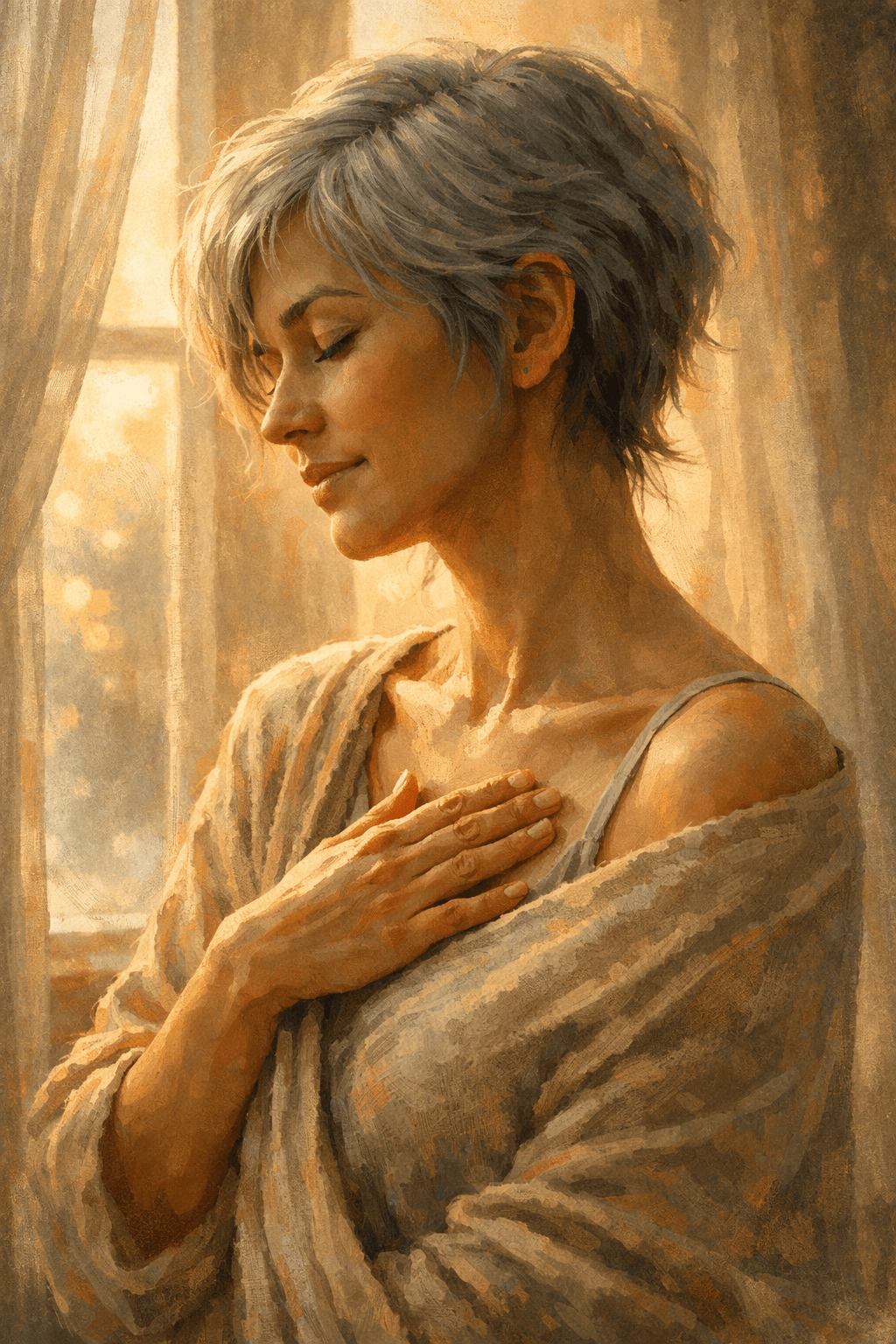
Living through life as a woman has always amazed me.
Not because it is easy, but because of how much pain a woman can endure and still keep moving as if nothing is happening, as if it is part of a regular day, part of a regular life. Not a life I chose, not a life I resent.
I am not angry at being a woman.
I love myself.
I love being a woman.
But the question that keeps returning is simple and unbearable at the same time, why do we have to suffer this much.
I am not a man. I have never lived life as a man and I cannot speak on their behalf. I can only observe what I have seen around me. Boys grow up, pimples, awkward years, changes that seem to pass without much disruption. I have never seen boys speak of physical pain the way girls do, the way women live with it.
I was eleven years old when my body introduced me to pain.
Excruciating stomach pain that came without warning, without explanation, without preparation. The only response was herbal tea and a voice saying this is normal, this will happen every month. And that was it. Acceptance was expected, not understanding, not relief.
I remember curling into myself in bed, arms wrapped tightly around my belly, trying to warm my body just to find a little comfort. Along with the pain came fear, confusion, and shame, emotions that arrived far too early for a child to carry.
Pain followed me closely from a very young age.
Migraines that kept me locked in darkness for days, vomiting, unable to move, curled on my bed, surrounded by silence because light and sound were unbearable. At the time, migraines were not even acknowledged. It was a foreign pain, but it was real, and it was mine to endure alone.
Then came the pain society asks of women.
Plucking, waxing, removing, reshaping. Pain inflicted willingly because that is what is expected to be considered acceptable, desirable, presentable. Doing all of this while men walk freely in their bodies without question, without apology, without being told they must suffer to be worthy.
Then pregnancy.
Nine months of vomiting, every single day. Nothing helped. I would throw up, rinse my mouth, eat because I was hungry, and repeat the cycle again and again. Alongside that came relentless back and pelvic pain, especially in the last months. And somehow, during all of this, a woman is still made to feel guilty. Guilty for not being available enough. Guilty for listening to her body. Guilty for being in pain.
Two people living in completely different realities, yet the woman carries the blame.
Delivery day did not feel empowering. It felt invasive.
My body no longer felt like mine. Nurses, doctors, hands, tools, decisions happening around me, over me, despite me. Privacy disappeared. Consent blurred. Everything became about getting the baby out, whatever the cost to the woman carrying it.
I had four children. Four C-sections. I love my children beyond words. I do not regret having them for a second. They are my world.
But love does not erase trauma.
The last C-section left me with cardiomyopathy. I was lucky it was discovered before I left the hospital. Two days later and I might not be here. I remember lying there, being poked repeatedly with needles, medication flowing into my body, my tears rolling silently because I was too tired to protest, too tired to explain, too tired to ask for gentleness.
I have never spoken about those moments. They are brushed off as normal. As nature. As something women are simply expected to endure.
Now I am in my fifties.
Pain lives with me daily. My back, my legs, my arms, my neck. Sleep is broken. Rest is shallow. And once again I am told this is normal. This is age. This is menopause. This is life.
Today I lay on an X-ray table while my body screamed. Turning hurt. Holding position hurt. Tears fell without permission. And suddenly every old feeling came rushing back.
Why.
Why does a woman have to endure this much pain, quietly, endlessly, and still be expected to function, to carry on, to survive without complaint.
I do not have the answer.
If you do, please tell me.
 Burning Beneath
Leave a comment