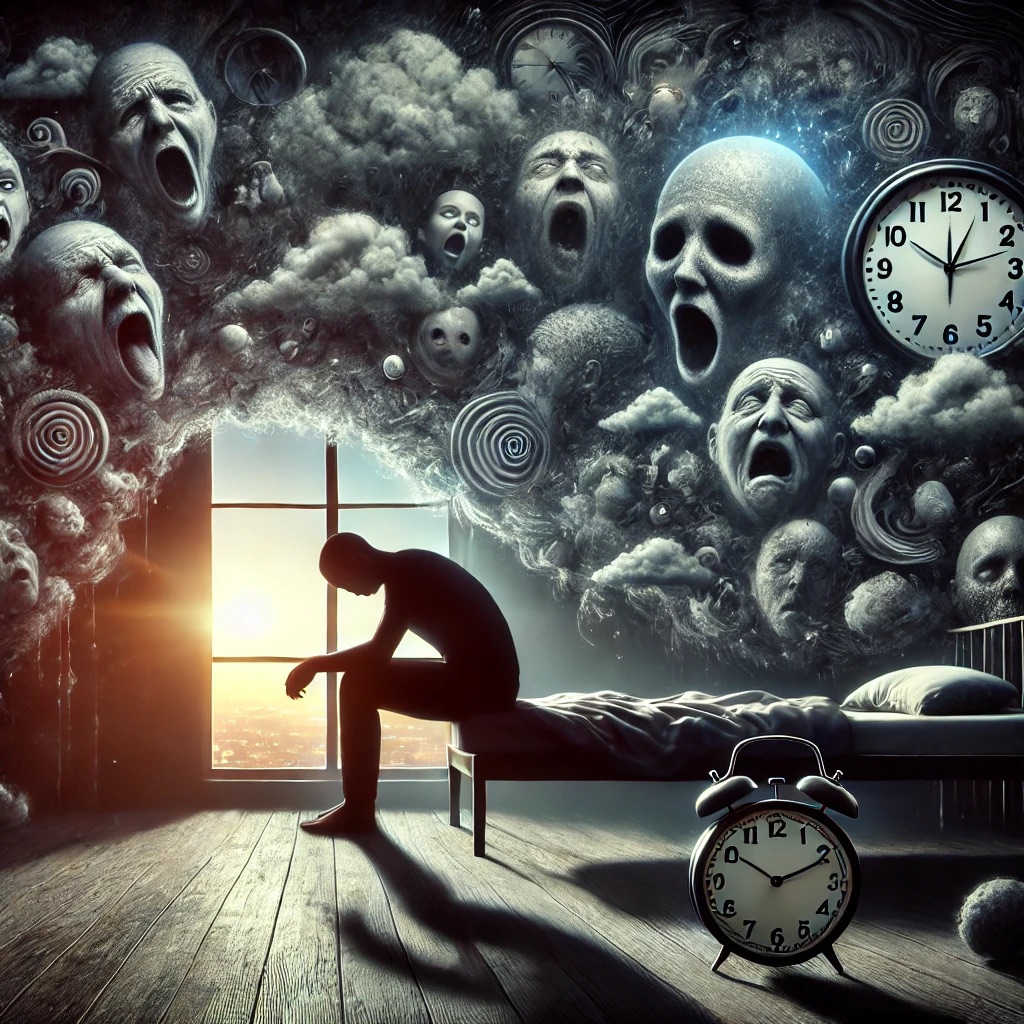
Has depression always been here, lurking in the shadows of human existence, or is it a modern affliction shaped by our fast-paced, overstimulated world?
Perhaps, in the past, it was simply unnamed, unspoken—dismissed as exhaustion, weakness, or a burden to bear in silence. When people felt drained, unable to push forward, they chalked it up to hard work, the weight of duty, the demands of survival. There was no language for the invisible heaviness pressing against their ribs, no roadmap for escaping the fog in their minds.
But now, we have names for it: depression, anxiety, burnout, malaise. We can diagnose it, analyze it, and still, for so many, it remains a battle fought alone.
Have you ever felt that fight within you—the battle between the part of you that knows you must move, and the part of you that cannot? The alarm rings, the world calls, and yet, some days, the weight wins. You tell yourself it’s just exhaustion, just another bad day. But then it happens again. And again.
What leads us here? Is it the relentless cycle of work, responsibility, and information overload? The crushing weight of wars, disasters, expectations, and the economy? The constant noise that drowns out the quiet need for healing?
There is no time to stop. No time to mend the wounds we collect. No space for stillness without guilt.
But what if healing isn’t a luxury? What if, in a world that demands we keep moving, the act of slowing down, of tending to our bruised souls, is the most radical thing we can do?
 Burning Beneath
Leave a comment