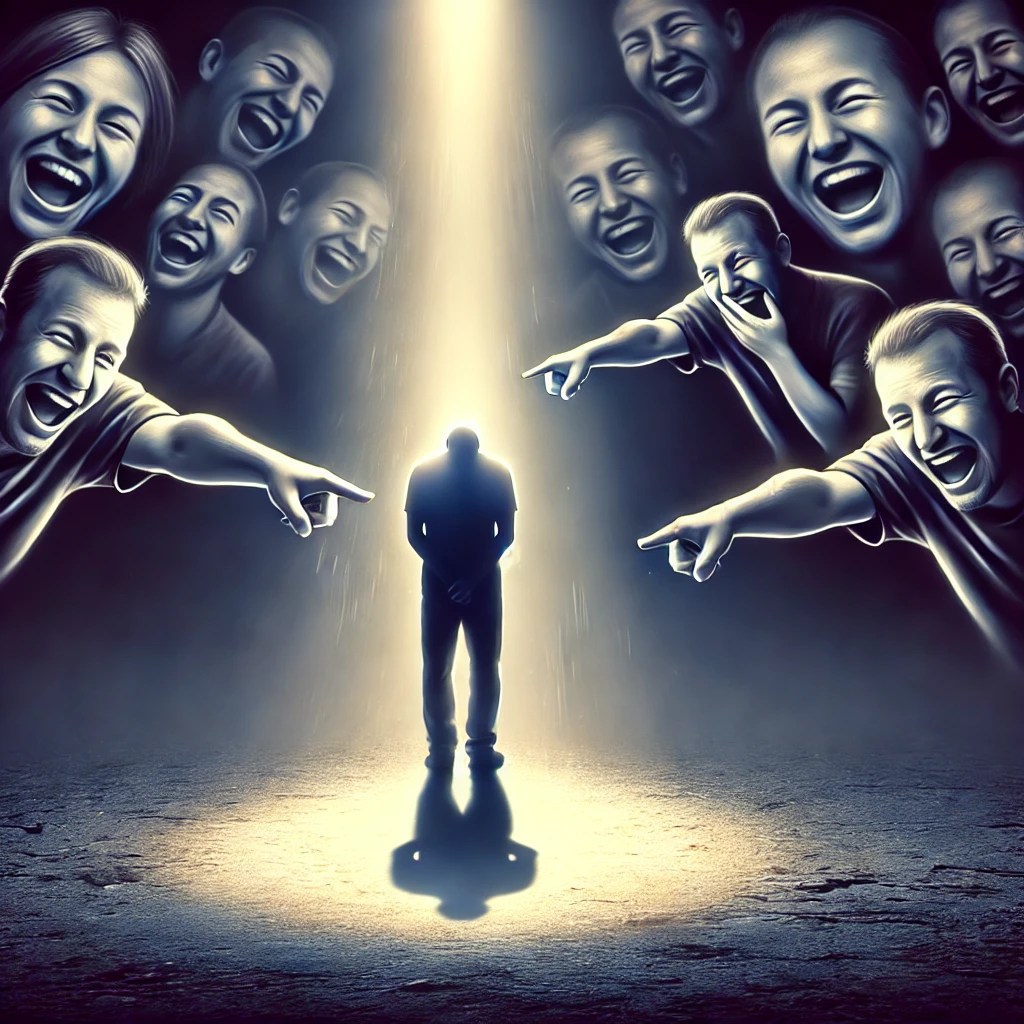
Mistakes are an essential part of growth, yet somewhere along the way, they became something to fear rather than to learn from. Children naturally make mistakes because that’s how they discover the world. They fall before they walk. They mispronounce words before they learn to speak fluently. They try, fail, and try again. But as they grow older, mistakes are no longer just lessons—they become social risks.
Teenagers, in particular, face a harsh reality where a single slip-up can be magnified, laughed at, and even recorded for eternity on the internet. Schools and social circles can be unforgiving, shaping a fear of trying new things simply because failing comes with public shame. This fear extends into adulthood, where even professionals—whether politicians, celebrities, or everyday workers—are under constant scrutiny.
The entertainment industry thrives on this. Memes, viral clips, and sarcastic takedowns generate views, engagement, and ultimately, money. It’s no longer about correcting mistakes with guidance or constructive feedback—it’s about turning someone’s failure into a spectacle. The human tendency to ridicule has been monetized, feeding an industry that values mockery over meaningful discourse.
This raises a powerful question: Why has clean, intelligent, and respectful entertainment become less profitable? Why does an audience need vulgarity, humiliation, or controversy to be entertained? The truth is, we don’t. Genuine humor exists without cruelty. A well-crafted joke, a clever observation, a sharp but kind wit—these have the power to make us laugh without degrading anyone.
Perhaps the real challenge is changing the culture. It starts with individuals who choose not to engage in the ridicule. Who choose to encourage rather than shame. Who find humor in brilliance rather than in someone else’s downfall. The more we normalize respect over mockery, the more we reclaim the value of mistakes as stepping stones rather than weapons against one another.
Mistakes should be a pathway to growth, not a life sentence of embarrassment. It’s time we redefine what it means to be human—not by how perfectly we avoid failure, but by how we handle it when it happens.
 Burning Beneath
Leave a comment