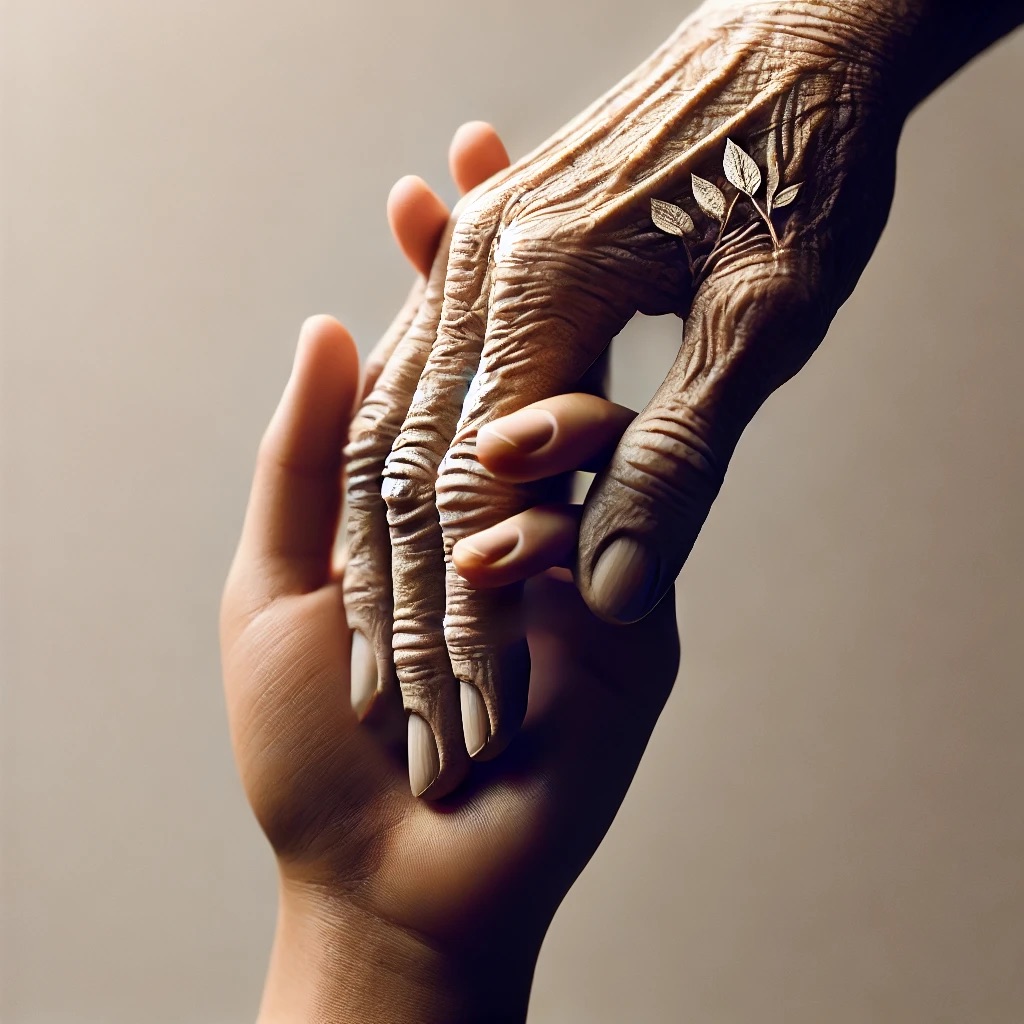
What defines beauty? Who decided the standards, and why do they even exist? I found myself pondering this while standing in line at the mall, waiting for a customer service representative to assist me. The wait gave me time to observe, and my focus settled on her hands. She appeared to be of Indian descent, with intricate lines and faint wrinkles etched into her fingers and knuckles—an undeniable design of the human body.
I started to wonder: who gets to say whether such details are beautiful or not? Why are wrinkles seen as flaws rather than a natural part of existence? Our hands—especially around the knuckles—carry lines and folds, just like our eyelids. These markings tell a story of creation, functionality, and endurance. If these features are intrinsic to being human, then how could they ever be considered “ugly”?
And yet, the world operates differently. For many, the natural state of the human body isn’t enough. If someone feels they aren’t beautiful, they often turn to alternative measures—cosmetics, surgeries, filters—to chase an ideal. But for whom? If they don’t find themselves beautiful, will changing their appearance lead to self-acceptance? Or does it simply shift their focus to the next perceived imperfection?
Some argue that beauty lies beneath the surface, that it’s about character, soul, or depth. But let’s be honest—our society isn’t built on that belief. Beauty wields power. A beautiful woman walking into a room commands attention, often receiving quicker service or more favorable treatment. Her appearance becomes a currency, a tool that influences how she’s perceived and treated. Meanwhile, someone deemed “less beautiful” often has to work harder for the same recognition.
The façade we carry—our face, our skin—bears the marks of our life’s journey. Every wrinkle, every scar, every sunspot tells a story of endurance. Yet, the world teaches us that these marks diminish our beauty. Industries thrive on our fear of ageing, on the notion that youth, particularly the fleeting beauty of our twenties, is the ultimate peak of human attractiveness.
But why? Why is ageing framed as a loss rather than a testament to survival? Why do we fight so hard against the natural progression of our bodies? And if the lines on our hands, the wrinkles around our eyes, and the marks on our skin reflect the life we’ve lived, isn’t that a kind of beauty in itself?
Perhaps the real question isn’t whether something is beautiful or ugly. Perhaps it’s about how we’ve allowed others to define those terms for us—and whether we’re brave enough to reclaim the narrative.
 Burning Beneath
Leave a comment