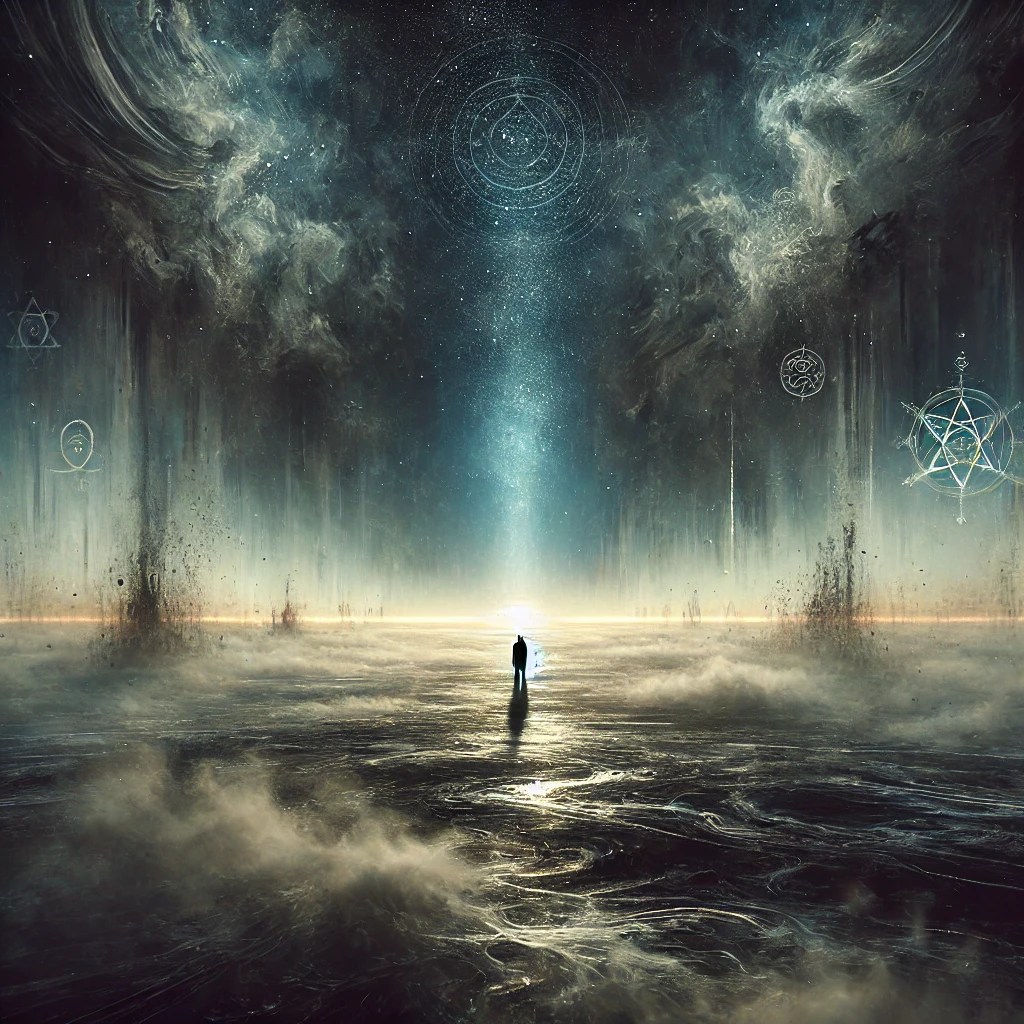
Fear of death is perhaps the most universal and primal emotion experienced by humans. It lingers in the background of our consciousness, sometimes a faint whisper, other times an overwhelming roar. This fear isn’t just about the act of dying itself but also the uncertainty of what comes after, if anything at all.
As children, our first brushes with death often come in the form of a pet’s passing or the loss of a grandparent. In those moments, we begin to grapple with questions that seem too large for our young minds. Why do things have to end? What does it mean to be gone forever? We look to the adults around us for comfort, but often, they too are searching for answers they cannot give.
As we grow older, the fear takes on new forms. It manifests in the quiet moments when we are alone with our thoughts, in the anxiety that bubbles up when we face illness or danger, and in the grief that grips us when we lose someone we love. Death reminds us of the fragility of life, the impermanence of everything we hold dear. It forces us to confront our limitations and our inability to control the inevitable.
For some, this fear can be paralyzing. They may avoid conversations about death, steer clear of funerals, and live their lives in denial of its certainty. For others, it becomes a motivator, a reminder to seize the day, to live fully, and to make the most of the time they have. This duality is what makes the fear of death so complex—it is both a weight that holds us down and a force that propels us forward.
Different cultures and belief systems offer varying perspectives on death. Some see it as a transition to another realm, a return to the earth, or a reunion with ancestors. Others view it as a final end, the cessation of consciousness and existence. These beliefs shape how individuals cope with the fear of death, providing solace or raising more questions.
Death is also the single act that defeats dictators and those who think they control the world. No matter how much power, wealth, or influence one accumulates, death remains the great equalizer. It humbles the mighty, bringing an end to their illusions of invincibility. The everlasting truth of death is that it never changes, never bends to human will, and stands as the one certainty that no one can escape.
What’s fascinating is how closely the fear of death is intertwined with the desire to leave a legacy. If we cannot escape death, we yearn to be remembered. We create art, build families, establish careers, and tell stories in hopes that something of us will endure. Perhaps, in this way, we challenge the finality of death, asserting that while our bodies may perish, our impact can ripple through time.
Yet, in moments of reflection, the fear of death can also remind us of the beauty of life. It sharpens our appreciation for fleeting joys—a warm hug, a vibrant sunset, a shared laugh. It teaches us to cherish the present, knowing that each moment is precious because it cannot last forever.
I remember lying in the ICU bed, afraid of death but aware that there wasn’t much time to waste staying afraid. I felt the weight of racing against time, trying to give my partner all the critical information about our life matters—the material things I had always taken care of. My focus was on equipping him to manage it all, ensuring he could function without me. It wasn’t resignation that drove me but urgency and love, a determination to leave everything in order as best I could.
Ultimately, the fear of death is a mirror. It reflects our deepest vulnerabilities, our greatest aspirations, and the essence of what it means to be human. To fear death is to love life. It is to recognize its fragility and to hold it all the more tightly, even as we know we must one day let it go.

 Burning Beneath
Leave a comment