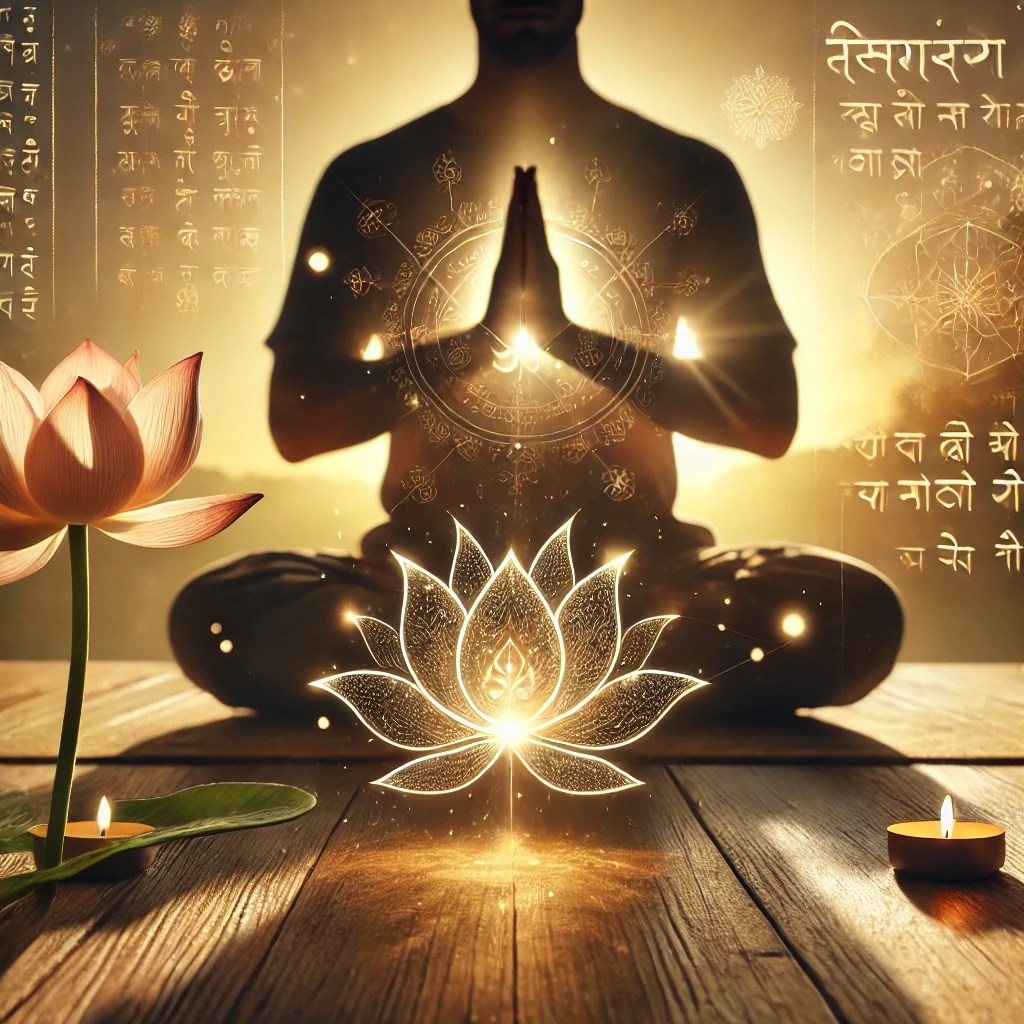
You’ve likely heard the word Namaste in yoga classes, meditation circles, or healing sessions. It’s often spoken softly, with hands pressed together in a gesture of calm respect. But what does it actually mean, and why is it so common in energy work?
To be honest, I’ve always felt a bit hesitant about it. When someone who isn’t Indian uses the word, it can feel a little… pretentious. Maybe it’s just me, but it often seems like an attempt to sound spiritual without understanding the depth behind it. That was, of course, until I explored its true meaning.
Namaste is a Sanskrit word meaning “I bow to you” or “I honor the divine in you.” It combines:
- “Nama”: Bow or reverence
- “Te”: You
At its core, it’s about recognizing the divine essence in everyone—a beautiful sentiment rooted in Indian culture and spirituality.
In energy work, Namaste acknowledges oneness and interconnectedness, creating a calm, respectful space. Its gentle tone and meaning naturally align with yoga, meditation, and healing. With yoga’s global rise, it has become closely tied to mindfulness and spirituality.
Does It Still Feel Pretentious?
Honestly, sometimes. When used casually or without understanding, it can feel shallow. But when said with respect and awareness of its roots, it carries a sincerity that transcends cultural boundaries.
Final Thoughts
For me, Namaste went from feeling pretentious to being meaningful. It’s a word of respect and connection, but using it authentically matters.
What about you? Does Namaste resonate with you, or do you prefer something else? Let’s discuss! 🌟
 Burning Beneath
Leave a comment